

|
Getting your Trinity Audio player ready...
|
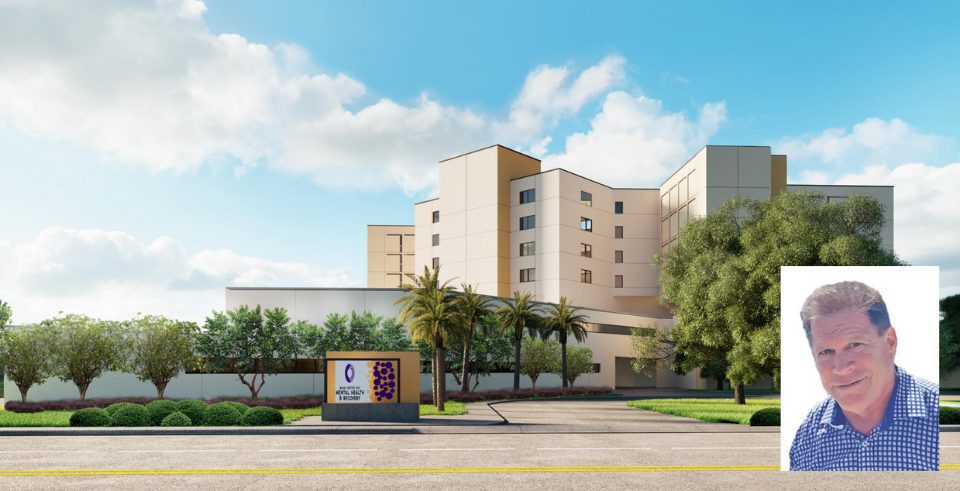
On January 21, the Miami-Dade Board of County Commissioners will take a vote that has been years in the making—whether to finally open the Miami Center for Mental Health and Recovery or allow it to continue sitting empty.
The seven-story facility is fully built, renovated, certified, and ready. It has been that way for more than a year. What’s missing is approval of the operating plan and budget needed to open its doors.
For decades, Miami-Dade County’s jail has quietly become the largest psychiatric facility in Florida. On any given day, thousands of people with serious mental illnesses are incarcerated not because they pose a danger, but because they lack access to treatment. They cycle between jail, homelessness, and emergency rooms, costing taxpayers hundreds of millions of dollars while never addressing the underlying problem.
Miami-Dade currently spends about $1.1 million every day incarcerating people with mental illnesses—roughly $414 million a year. Over the past decade, jail operations have cost nearly $3.9 billion, with an estimated 63% tied to mental health needs. Between 2019 and 2023, more than 16,000 individuals accounted for 1.27 million jail days. Most were charged with non-violent offenses and were eligible for diversion programs.
Meanwhile, a solution already exists—and it is sitting unused.
The Miami Center for Mental Health and Recovery was designed specifically to break this cycle. Under one roof, it will offer crisis stabilization, substance use treatment, residential and outpatient care, primary medical services, housing support, job training, and even an on-site courtroom to speed diversion from jail into treatment. The goal is simple: treat people before they return to the system again.
Concerns about cost have been raised, but the funding is already in place. The first two and a half years of operations will be covered by federal American Rescue Plan Act funds and opioid settlement dollars, at no cost to county taxpayers. During that time, the University of Miami will conduct an independent evaluation to measure outcomes and cost savings. Additional funding sources—including Medicaid reimbursements, state support, and philanthropic contributions—are expected to cover long-term operations.
What is costing taxpayers money right now is delay. The county spends more than $5 million each year just maintaining the empty facility.
Diversion programs already operating in Miami-Dade show what is possible. Participants see dramatic reductions in re-arrest rates and jail days, with average cost savings exceeding $30,000 per person. Conservative estimates project that the Center’s initial operations alone could avoid more than $32 million annually in jail-related costs.
Voters approved the bonds to build this facility back in 2004, recognizing that untreated mental illness cannot be solved through arrests alone. The building stands today as a promise made—and one still waiting to be fulfilled.
The question before commissioners on January 21 is straightforward. Do we continue paying to jail people who need treatment, or do we use the facility already built to deliver care, reduce homelessness, and improve public safety?
The building is ready. The funding is available. The data is clear.
Now comes the vote.
Share with me any questions or concerns you may have by calling me at 305-323-8206 or via email at grant@communitynewspapers.com.