
|
Getting your Trinity Audio player ready...
|
Voters across Greater Miami delivered a clear message in our most recent elections: local governments must do much more to improve residents’ quality of life. For years, Miamians have felt the squeeze of rising housing costs, limited public transportation options, and uneven access to high-quality K-12 education. From Brickell to West Kendall, families have watched everyday expenses rise with little meaningful relief.
This election, voters chose leaders who understand that improving everyday life and providing pathways to opportunity are the defining local issues of our time.
In the City of Miami, voters elected Eileen Higgins as mayor and Rolando Escalona as commissioner for District 3, both of whom centered their campaigns on pocketbook concerns and resident-focused governance. In Hialeah, Miami-Dade’s second-largest city, voters sent 27-year-old Bryan Calvo to City Hall as mayor on a similar platform: a government that puts residents first.
Much of the post-election coverage has focused on milestones: Higgins as the first female mayor, Escalona as a young newcomer who arrived in the U.S. just 13 years ago, and Calvo as the youngest mayor in Hialeah’s history. Those stories matter. But they are not why these candidates won.
They won because voters recognized themselves in the agendas they put forward.
Higgins ran on improving housing affordability, strengthening transit, supporting small businesses, and building increased trust in a City Hall that feels connected to daily life. Her message resonated because it reflected the realities of raising a family, commuting to work, and staying rooted in the city people love.
Escalona’s victory in District 3 tells the same story. In neighborhoods where affordability is a daily concern his focus on community voice and neighborhood-level solutions signaled a generational shift in how residents expect to be represented.
Our future will be determined by whether leaders deliver real progress on affordability, mobility, economic opportunity, and high-quality public education. The next evolution of our city is one where young families can put down roots, where every child has access to a great public school in their neighborhood, and where long-time residents can age in place. In short, Miamians want a Miami that works for everyone.
This election sent a clear signal: Miamians expect progress, not rhetoric. Affordability, mobility, economic opportunity, and strong schools are now the core test of local leadership. Meeting that test will require more than government action alone.
The business community is prepared to be an active partner—bringing capital, expertise, and accountability to help turn voter priorities into real, measurable improvements in everyday life. If public, private, and civic leaders align around outcomes, this moment can mark a decisive shift toward a Miami that works for everyone.
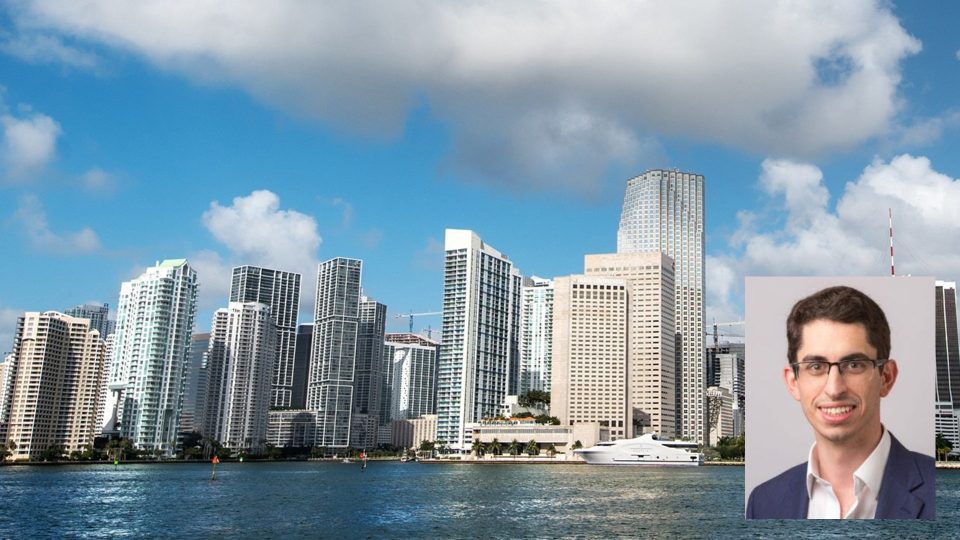
Raul Moas is President of the Partnership for Miami. Raul leads a dynamic group of business leaders acting in the civic interest to build a world-class Miami that works for all its residents. Through the Partnership, Raul collaborates with grassroots organizations, researchers, policymakers and philanthropists to develop and implement solutions that improve Miami’s affordability, livability, educational systems and resilience.