

|
Getting your Trinity Audio player ready...
|

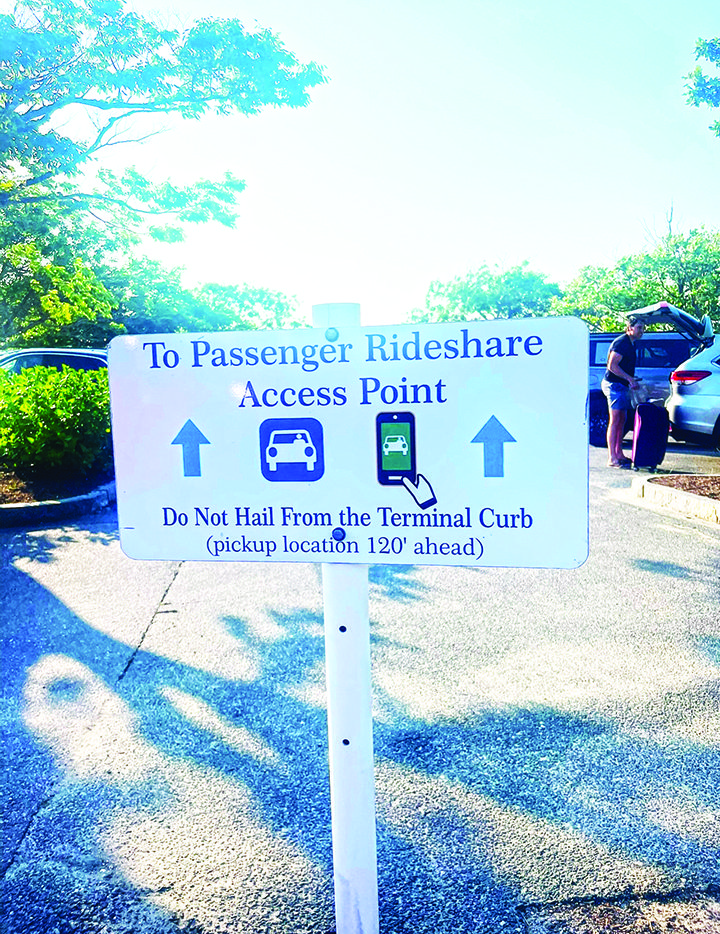
The thought of your child hopping into a car with a stranger can be terrifying. There are headlines about fake drivers, horror stories on social and mainstream media, and that nagging parental instinct that says: just pick them up yourself. For many parents in Miami-Dade County, the idea of their middle or high schooler using Uber, Lyft or another ride-share service feels risky.
So why are so many teens relying on it?
Let’s break it down. In a large, spread-out county like Miami-Dade, where friends might live in entirely different neighborhoods and public transportation isn’t always teen-friendly or reliable, ride sharing is how many of us get around. Whether we’re heading to a concert downtown or leaving a party on Miami Beach, we often need a safe ride back to neighborhoods like Coconut Grove, South Miami, Pinecrest, and others nearby.
And when access to trackable, trusted options like Uber is off the table, we’re more likely to fall back on whatever ride is available, even a peer who just got his or her license or, worse, someone who shouldn’t be driving at all. In trying to avoid one risk we may unintentionally end up facing another one that’s far more unpredictable.
What many parents don’t realize is that Uber has built-in safety features specifically designed to address common concerns. According to Uber’s official Safety page, every driver passes a background check that screens for criminal offenses, DUIs, and driving history. Uber continues to monitor drivers even after they are approved, and any serious violations lead to immediate removal from the platform. Drivers must hold a valid license, have at least one year of experience (three if under 25), and drive a vehicle that meets inspection standards.
Each ride is GPS-tracked from start to finish, and teens can share their trip status live with parents, who can view the car, driver, route, and ETA. The app also includes an emergency button that instantly contacts 911 and shares the car’s location. While Uber is the most widely used, services like Lyft offer similar features and are also popular among teens.
Some assume that ride sharing means giving up control. But setting clear boundaries helps young teenagers like me develop independence while staying accountable. Many families I know in Miami-Dade follow smart, simple rules: ride solo only during the day, always confirm the license plate, keep location services on, and text upon arrival.
Apps like Alto take that trust a step further. With company-employed drivers, in-car dash cams, and a consistent fleet of clean, well-maintained SUVs, Alto offers an even more structured experience. These features do come at a higher cost, but for families who prioritize consistency and added safety, it can be worth it.
At the end of the day, Miami-Dade is a large county and that means staying aware and making smart choices is of utmost importance. You can’t always drop everything and drive from Pinecrest to Wynwood or from Coral Gables to Key Biscayne. Ride-sharing offers a practical solution, giving you flexibility without limiting our ability to participate in social events, sports practices, or school activities. And when we learn how to use these services safely and responsibly, we’re not just getting from point A to point B, but rather building good judgment for the real world.
So yes, it’s natural to worry. But allowing your child to use a ride-share service under the right conditions isn’t a sign of carelessness. It’s a sign of trust, communication, and preparation.
Dylan Berkowitz is a senior at Ransom Everglades High School.
Editor’s note: There are age restrictions to having an Uber of Lyft account. Most require you to be 18. Younger children may ride with parental approval. Check with the ride sharing company for rules and regulations.
ABOUT US:
For more Miami community news, look no further than Miami Community Newspapers. This Miami online group of newspapers covers a variety of topics about the local community and beyond. Miami’s Community Newspapers offers daily news, online resources, podcasts and other multimedia content to keep readers informed. With topics ranging from local news to community events, Miami’s Community Newspapers is the ideal source for staying up to date with the latest news and happenings in the area.
This family-owned media company publishes more than a dozen neighborhood publications, magazines, special sections on their websites, newsletters, as well as distributing them in print throughout Miami Dade County from Aventura, Sunny Isles Beach, Miami Beach, Coral Gables, Brickell, Coconut Grove, Pinecrest, South Miami, Kendall, Palmetto Bay, Cutler Bay and Homestead. Each online publication and print editions provide comprehensive coverage of local news, events, business updates, lifestyle features, and local initiatives within its respective community.
Additionally, the newspaper has exclusive Miami community podcasts, providing listeners with an in-depth look into Miami’s culture. Whether you’re looking for local Miami news, or podcasts, Miami’s Community Newspapers has you covered. For more information, be sure to check out: https://communitynewspapers.com.
If you have any questions, feel free to email Michael@communitynewspapers.com or Grant@communitynewspapers.com.