

|
Getting your Trinity Audio player ready...
|
Right now, Miami-Dade County is building its 2026–2027 spending plan. Departments are submitting requests, numbers are being adjusted, and priorities are being negotiated behind conference room doors. In Miami-Dade, the public always arrives late to its own budget.
Spend a few minutes trying to follow the county budget online and you quickly realize how difficult it is for an ordinary resident to understand what is actually happening. In the coming months, residents will begin seeing notices for public budget meetings. By then, much of the real work will already be done. That is how the system operates — legally, routinely, and out of public view.
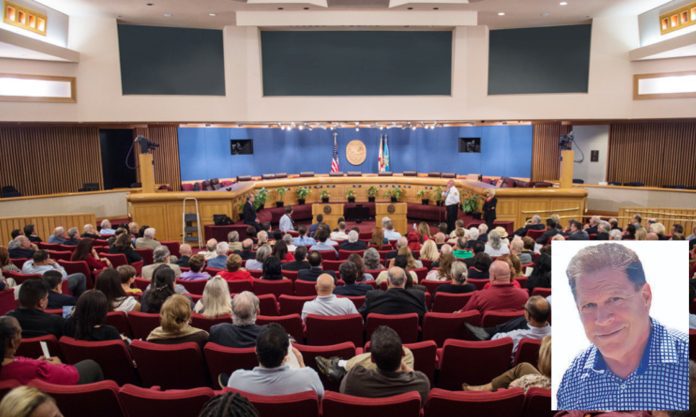
Every year, residents are invited to participate through public hearings. The meetings are real. The votes matter. But the timing tells the real story. By the time the public steps up to the microphone, proposals have already been refined through internal workshops, departmental negotiations, and administrative reviews that most taxpayers never see. The public isn’t watching the budget being built. They’re only seeing the final edits.
A $13 Billion Plan That Shapes Daily Life
This isn’t abstract accounting. The county budget determines police staffing levels, transit service, park maintenance, library hours, permitting timelines, and the fees residents pay throughout the year.
It shapes how quickly services arrive — and how expensive daily life becomes. Every dollar comes from residents in some form: taxes, utility charges, permits, tolls, or service fees.
It is, in effect, the community’s shared bank account. Yet understanding how that money moves remains difficult even for engaged citizens.
Your Money. Their Math.
Looking through portions of county spending reveals a consistent concern: examples of overspending and costs that are difficult for the public to evaluate without significant time and expertise, with no public explanation of the increase.
Not scandal. Not illegality. But inefficiency hidden inside complexity.
The issue is not the absence of information. The issue is accessibility. Ordinary residents cannot realistically navigate hundreds of pages of technical documents to understand how decisions affect their wallets. Transparency that requires hours of research is not transparency most people can use.
The Case for a Public Budget Dashboard
Miami-Dade already tracks its financial data digitally. What’s missing is a clear public window into it.
Residents should be able to open a website and immediately see where money is being spent, how departments compare year to year, proposed increases before approval, staffing and contract changes in real time, and the financial trade-offs leaders are considering.
In short, residents should be able to view county finances the same way they check their own bank accounts. Other governments have moved in this direction. In fact, Austin, Nashville, and New York City all have public budget dashboards. Miami-Dade has the tools — but not yet the system.
The Moment to Pay Attention
Public budget meetings are approaching in the months ahead, and residents will soon be asked to weigh in. That moment matters.
Because once final numbers are adopted, changing direction becomes far more difficult. Public participation works best when visibility comes early — while decisions are still forming, not after they are finalized.
The Bottom Line
The Miami-Dade budget belongs to the people who pay for it. They just don’t always get to act like it.
Right now, the 2026–2027 spending plan is being shaped in real time — in workshops, in conference rooms, in conversations residents aren’t part of. That should change.
Transparency that shows up after the decisions are made isn’t transparency – it’s a press release.
Questions or ideas? Call Grant Miller at 305-323-8206 or email grant@cnews.net.