
|
Getting your Trinity Audio player ready...
|
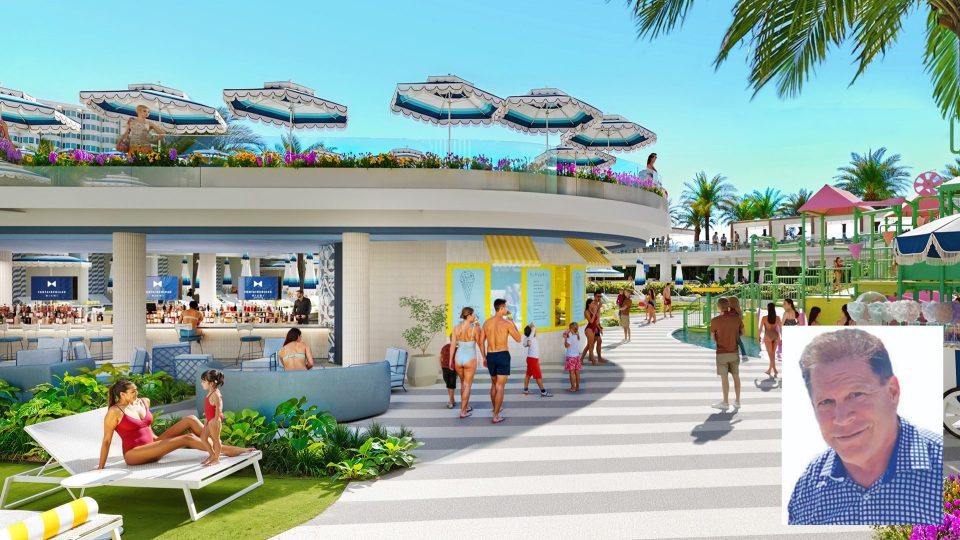
A pivotal moment for one of Miami Beach’s most iconic landmarks arrives Tuesday, Feb. 10, when the city’s Historic Preservation Board considers the Fontainebleau Miami Beach’s proposed outdoor amenity redevelopment — a project supporters describe as a careful balance between preservation and progress.
At issue is not a new tower, additional hotel rooms, or an expansion of the resort’s footprint. Instead, the proposal focuses exclusively on repurposing existing outdoor areas to enhance guest amenities while maintaining the Fontainebleau’s historic architecture and design — a distinction that has drawn broad community and industry support ahead of the board’s review.
In a letter to the Historic Preservation Board, Greater Miami Convention and Visitors Bureau President and CEO David Whitaker called the proposal “a thoughtful and timely response” to changing travel patterns, warning that cities which fail to reinvest in existing assets risk losing relevance and market share. The Greater Miami and the Beaches Hotel Association similarly urged approval, describing projects like this as “essential” to the city’s long-term economic health.
Despite that support, a small group of opponents has raised concerns about traffic impacts. City planners and project representatives, however, note those fears are unfounded. The proposal does not increase density, add hotel rooms, or draw new categories of visitors to the area. Local residents and hotel guests already utilize existing roadways, and no additional traffic load is anticipated as a result of the outdoor improvements.
Equally important to preservation advocates, the plan does not alter the Fontainebleau’s iconic architectural design or expand its physical footprint. The project has been developed in coordination with the Florida Department of Environmental Protection and includes resiliency upgrades to meet updated coastal building codes, including native dune landscaping and modern water-control infrastructure.
Supporters also point to the broader economic impact. The redevelopment is expected to generate several hundred full- and part-time jobs across construction, hospitality, food service, and on-site operations, reinforcing tourism’s role as a cornerstone of the local economy.
“For generations, the Fontainebleau has helped define Miami Beach through its architecture, open spaces, and cultural significance,” proponents argue. “This proposal honors that legacy while recognizing an important reality: Miami Beach must continue to evolve responsibly to remain welcoming, competitive, and relevant.”
As the Historic Preservation Board prepares to weigh in, the decision before it is less about change than stewardship — whether to allow a landmark property to reinvest thoughtfully in its future without compromising the historic character that made it iconic in the first place. For many in the community, that makes approval a straightforward call.