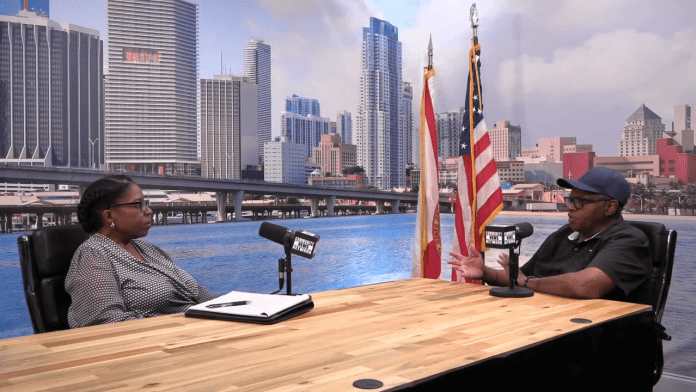
I’m honored to share that the Florida Fish and Wildlife Conservation Commission (FWC) recently announced significant milestones achieved in 2025, as Florida continues to be a national leader in conservation and outdoor recreation under the stewardship of Governor Ron DeSantis. Recognized for its world-class fishing, hunting, and outdoor experiences, the state has made preserving its natural resources a top priority, ensuring they remain accessible for future generations.
Reopening of Apalachicola Bay’s Oyster Industry
A new management framework for recreational and commercial oyster harvesting in Apalachicola Bay was finalized and approved this year, setting the stage for the reopening of this historic fishery. Following a five-year closure to support oyster recovery and restoration, Apalachicola Bay is scheduled to reopen on January 1, 2026, marking a major milestone in the effort to revitalize one of Florida’s most iconic fisheries.
2025 Black Bear Hunt
At the November commission meeting, FWC Commissioners approved final amendments to bear hunting rules, which took effect during the 2025 hunting season.
Through a random drawing, a total of 172 permits were issued across the East Panhandle, North, Central, and South Bear Management Units (BMUs). Each permit allowed the harvest of one bear within the assigned Bear Hunting Zone (BHZ).
During the 2025 bear hunt, 52 bears were harvested, resulting in a hunter success rate comparable to other states with similar hunt parameters. No wildlife violations were reported during the hunt.
An analysis of the collected data is currently underway, with a full harvest report expected to be released in the coming months. Florida joins more than 30 states that manage black bears through regulated hunting, an effective wildlife management tool worldwide and a key component of the North American Model of Wildlife Conservation.
Red Snapper
Governor DeSantis extended Florida’s 2025 Gulf Red Snapper recreational season to a record-breaking 127 days, making it the longest season since Florida assumed management of Gulf red snapper. This extended season provided increased recreational opportunities for anglers and supported local economies throughout the Gulf Coast.
Building on the success of Gulf red snapper management, FWC is now exploring testing state management for red snapper in the South Atlantic. A new Exempted Fishing Permit (EFP) to test state management of recreational red snapper harvest in federal waters in 2026 has been submitted and is currently under review by NOAA Fisheries. Staff have already hosted numerous public meetings to gather stakeholder feedback and input.
Upon approval, the permit would allow Florida to assume management of the recreational red snapper fishery in both state and federal waters off the Atlantic Coast beginning in 2026. Florida would implement a 39-day Atlantic Red Snapper season—an 1,850% increase from the two-day federal season allowed in 2025.
The proposed season includes the following dates:
Summer: From May 22 (Memorial Day Weekend) through June 20
Fall: Three-day weekends in October (October 2-4, 9-11, and 16-18)
Artificial reefs
The artificial reef program remains at the forefront of marine habitat creation for Florida, providing economic opportunities for local communities. In 2025, 84 new patch reefs were deployed, contributing to Florida’s 4,476 total public artificial reefs. These artificial reefs support long-term conservation goals, serve as vital habitats for reef species, and enhance recreational and charter fishing as well as diving opportunities.
Invasive Species Removal
The 2025 Florida Python Challenge™ resulted in 294 Burmese pythons being removed from the Everglades ecosystem and increased awareness both nationally and internationally about invasive species and the threats they pose to Florida’s ecology. For this year’s competition, 934 participants from 30 states and Canada registered to remove the invasive constrictors. Every python removed helps protect the Everglades and our native wildlife. The annual competition encourages the public to get directly involved in Everglades conservation through invasive species removal.
With the highest number of participants since its inception, the 2025 Lionfish Challenge broke records with 518 participants removing over 30,532 lionfish from Florida waters, making a significant contribution to the protection of native marine ecosystems and raising public awareness about the issue.
Wildlife Management Areas
The FWC established nine new WMAs, bringing the statewide total to more than 6 million acres, directly benefiting Florida residents and stakeholders. Our WMA system is thriving with over 1.4 million public visits occurring in the last fiscal year on areas entirely led by FWC. These places create opportunities for everyone, including hunters, anglers, birders, hikers, paddlers, cyclists, photographers, and families seeking a place to breathe fresh air.
Protection of Florida’s Manatees
FWC remains committed to the conservation of Florida manatees, dedicating significant resources to their protection. Under Governor DeSantis’s continued leadership and support, the state has expanded and enhanced its network of acute care facilities to treat injured and distressed manatees.
Critical habitat restoration efforts are also ongoing in areas with high manatee populations. These efforts focus on improving and restoring the ecosystems manatees rely on for survival. From 2020 through November 30, 2025, the FWC, in collaboration with its partners, successfully conducted 753 manatee rescues statewide.
Red Tide Mitigation and Research
Since Governor DeSantis took office in 2019, Florida has invested more than $20 million in the FWC Fish and Wildlife Research Institute (FWRI) Center for Red Tide Research. This funding has supported over 30 new collaborative projects focused on tracking, predicting, and mitigating the effects of harmful algal blooms, as well as advancing recommendations from the state’s Harmful Algal Bloom (HAB) Task Force.
In addition to research investments, the state has allocated $21 million to the Red Tide Mitigation and Technology Development Initiative, a partnership between FWC and Mote Marine Laboratory. This investment has enabled the testing of more than 125 potential tools and technologies to control and mitigate red tide impacts, several of which have advanced to field testing—marking significant progress in addressing this environmental challenge.
Law Enforcement
Derelict vessels remain a priority for FWC, and the multi-year initiative to reduce them on Florida’s waterways is ongoing. These vessels pose serious risks to seagrass beds, marine life, navigation, public safety, and property. Governor DeSantis’ Fiscal Year 2025-26 budget included $4.5 million for continued derelict vessel removal and prevention.
The FWC Boating and Waterways Section within the Division of Law Enforcement ended the year with the lowest number of derelict vessels recorded on Florida’s waterways since the derelict vessel database was established, with a total of 367 vessels. In 2025, 475 derelict vessels were removed statewide, and since the Vessel Turn-In Program (VTIP) began in 2023, more than 220 at-risk vessels have been proactively removed.
For more information about these and other fish and wildlife conservation projects, visit MyFWC.com.