
EDITOR’S OPINION
Every few years in Miami-Dade, the same argument shows up again.
A developer walks into County Hall.
The Urban Development Boundary gets mentioned.
And suddenly people are talking past each other instead of actually talking.
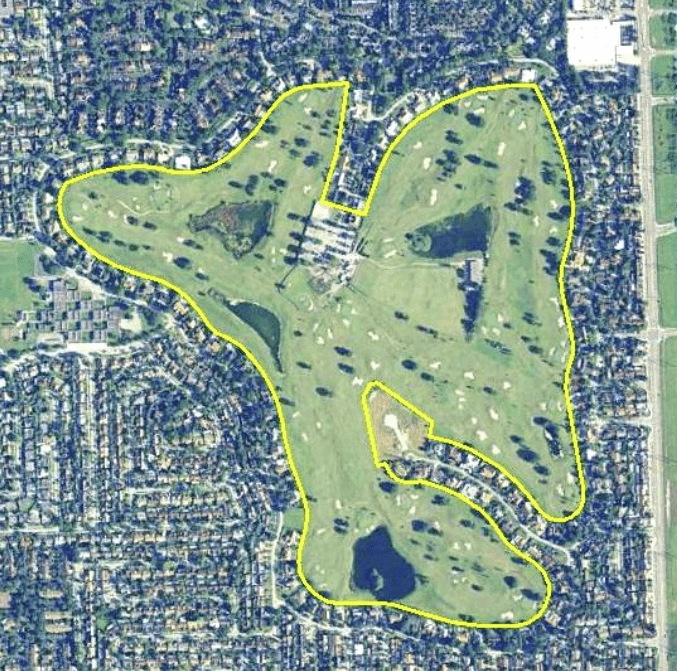
That’s where we are again with the former Calusa Golf Course in West Kendall.
This property served the community for decades as a golf course — and it has now been sitting vacant for years, right in the middle of a fully built-out neighborhood. It isn’t Everglades. It isn’t open farmland. It’s surrounded by homes, schools, and roads.
On January 22, the County Commission is being asked to vote — again — on whether GL Homes can build 540 single-family homes there. They already approved almost this same plan back in 2021. The only reason it’s back is because of a legal issue about how the public was notified, not because the project itself was ruled improper.
This isn’t just a zoning case. It’s about people, and it’s about values.
For my entire life, I’ve been around exotic birds and animals of all kinds. I understand — deeply — that we have a responsibility to protect and help the critters that need our help. I’ve also spent years in Miami-Dade fighting off development when it pushed too far, especially when it crossed the Urban Development Boundary and threatened land that should never be touched.
Because I’ve been on both sides of this for years — fighting development when it goes too far and fighting to protect animals when they need it — this is one of those issues that made me think long and hard.
So when people raise concerns about wildlife at Calusa — including a state-protected bird species that nest and breed on a small rookery within the larger 169-acre site — I take that seriously.
I’ve had the pleasure of having Amanda Prieto with Save Calusa on our podcast many times, and I’ve also spoken often with her attorney David Winker, who is a friend. We’ve talked at length about this project, and her work — along with the Save Calusa team — has helped protect wildlife, keep the community engaged, and put real pressure on both the developer and the County Commission to do better. They deserve credit for that.
Amanda has also been very clear about the traffic and mobility challenges this project could bring, and those concerns deserve to be taken seriously.
Alongside all of that, there’s something else we also have to face.
Traffic in Miami-Dade is already tough.
Mobility is already frustrating.
And no one who lives here should pretend otherwise.
The reality is, people keep moving here. Families want to live near their jobs, their schools, their parents, and their communities. That means whether it’s Calusa or somewhere else, housing will be built — and roads, intersections, and traffic patterns will have to adjust.
The question isn’t whether growth will happen.
The question is whether we manage it or let it manage us.
That’s why the details of this project matter.
GL Homes didn’t just draw lines on a map. They reduced the number of homes from more than 1,000 down to 540. They committed to traffic controls beyond what code requires, including funding private police patrols during peak hours. They redesigned the project to protect and enhance the bird island, under a plan approved by the Florida Fish and Wildlife Commission.
And more than 80 percent of the homeowners who live directly next to the property support it, because they’ve been part of shaping what this will become.
Miami-Dade needs housing. Kendall needs housing. And if we don’t build inside places like this — land that’s already developed and already surrounded by neighborhoods — the pressure will keep pushing farther west into areas that truly should never be touched.
Calusa gives us a chance to balance growth, wildlife, and quality of life.
That’s what good government is supposed to do — protect what matters, manage growth, and lead. Now it’s up to the County Commission to do just that.
We welcome your thoughts as this decision moves forward. You can reach me at michael@communitynewspapers.