

|
Getting your Trinity Audio player ready...
|
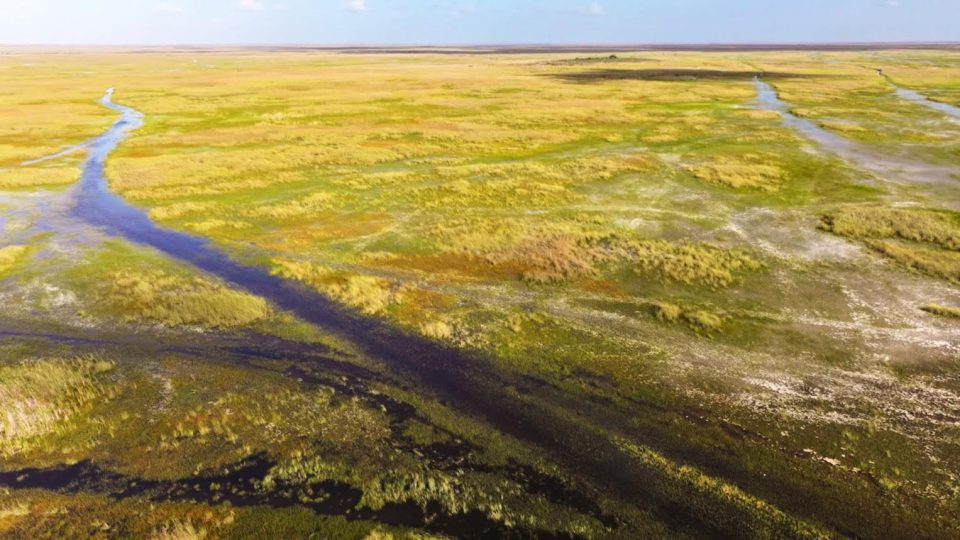
The Everglades, home to one of the most diverse wetland ecosystems, is a symbol of Florida’s natural resilience. The area spanning 1.5 million acres of slow-moving water across central and southern Florida is the source of drinking water for more than eight million people. The River of Grass supports the state’s multi-billion-dollar tourism industry, but holds a silent invader that is turning that balance upside down.
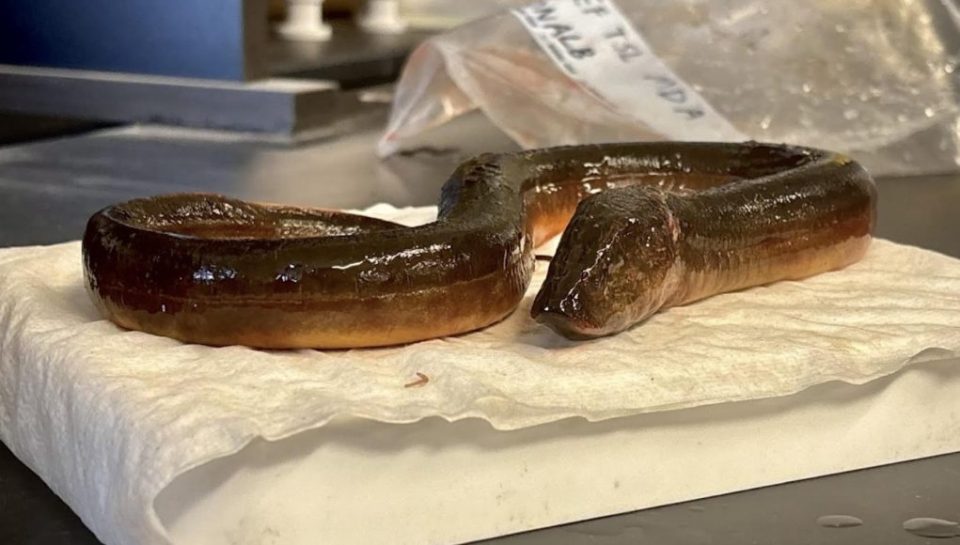
The Asian swamp eel is an invasive species native to Southeast Asia that threatens the ecosystem.
It was first discovered in South Florida in the late 1990s after appearing in the region’s canal systems. By 2009, it reached the Everglades National Park and it’s now one of the most complicated environmental issues in Florida’s history.
“Unless something can reduce its abundance, or unless the species crashes, or unless we come up with some novel way to control it, we’re looking at a completely new kind of Everglades ecosystem,” said Dr. Nathan Dorn, aquatic ecologist at Florida International University.
Unlike most aquatic species, the eel can breathe both underwater and on land, and even burrow into mud to survive the dry season. This allows the eel to hunt year-round, even when native predators retreat.
According to a peer-reviewed journal, researchers at FIU have recorded a 68% decline in fish and crustacean biomass and an 80% reduction in bird prey in Taylor Slough.
“Our native predators have to move when the water is shallow,” Dr. Dorn said. “The eel does not have to do this. Even if it goes completely dry, it may stay present by burrowing into soft sediments.”
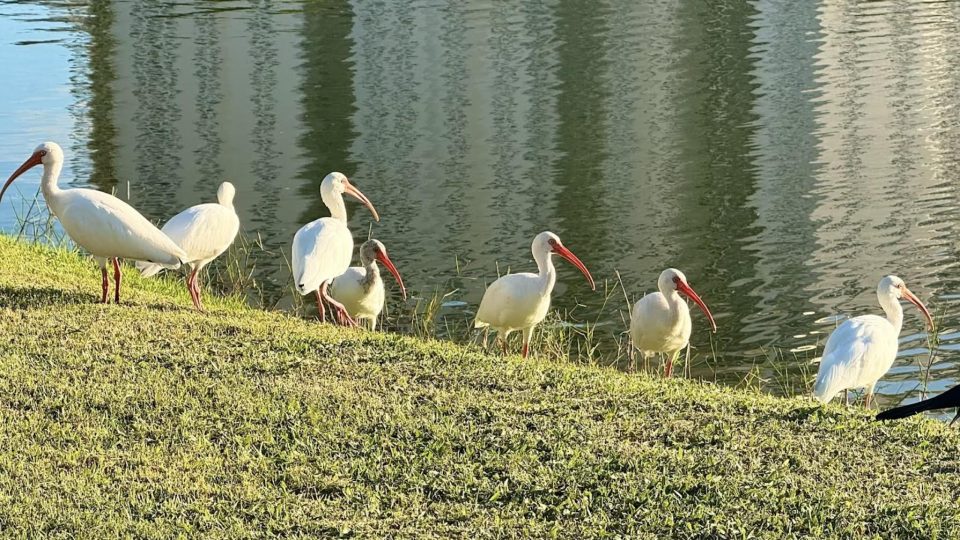
Those losses spread down the food chain by depriving wading birds like the ibis and egret from restoration efforts used to determine the Everglades’ health. Scientists warn that these ripple effects could permanently alter food webs and water quality across vast areas of the Everglades.
The significance of the Everglades extends well beyond wildlife. It serves as the natural source of drinking water to nearly all of Miami-Dade county and draws more than 3.5 million visitors each year. The Everglades generates about $540 million in economic revenue, according to the National Park Conservation Association.
“The Biscayne Aquifer is a surficial aquifer system,” explained Dr. Steve Davis, chief science officer at The Everglades Foundation. “When you see water on the surface, it’s connected down to the bottom of that aquifer. When they pull water out of the ground, it may have been in the Everglades a month prior.”
That link between wetland and water supply means the fight for the Everglades is also a fight for South Florida’s future.
“We have a really clean and easy water source, but we have to protect it and sending more water south helps us do that,” Dr. Davis added.
The Everglades have always required teamwork to survive. In the late 1960s, Marjory Stoneman Douglas, well known as “Mother of the Everglades,” brought national attention to the degradation of the wetlands. When the Army Corps of Engineers was causing significant damage to the Everglades by constructing canals and levees throughout the fragile ecosystem, Douglas added a voting constituency to her efforts. She founded Friends of the Everglades in 1969 to help advocate for the unique system.
“Marjory noticed changes in the amount of birds and where they were flying and water levels,” said Cara Capp, Sun Coast’s Greater Everglades associate director for the National Parks Conservation Association. “She began to open people’s eyes to the need to protect what we had left of the Everglades.”
Ernest F. Coe, known as the “Father of the Everglades,” wrote Stephen T. Mather, first director of the National Park Service, a proposal for a national park to be located within the lower Everglades of South Florida. Senator Duncan B. Fletcher introduced legislation to create Everglades National Park in December of 1928.
When the ecosystem almost collapsed years later, scientists, activists and politicians played a crucial role in the passage of the Comprehensive Everglades Restoration Plan (CERP), which is now one of the largest environmental restoration efforts worldwide.
CERP passed in 2000 to restore the natural flow of water through the wetlands by undoing decades of drainage. The plan includes 60 major projects with $30 billion in funding spread over several decades. Scientists and advocates often describe it as a race against time and as new challenges like sea-level rise and invasive species continue to test the ecosystem faster than restoration projects can repair it.
One of its cornerstones, Everglades Agricultural Area (EAA) Reservoir, will store over 78 billion gallons of water and will deliver up to 470 billion gallons of clean water annually south to the Everglades and Florida Bay.
“Over the years, we’ve come to realize that a healthy Everglades is key to our public health, to our healthy ecosystems, and to our economy here in South Florida,” Capp, said. “When you have realtors saying we need clean water to sell homes, or captains saying we need clean water for our fishing industry, this isn’t a one-party issue. This is all Floridians.”
The swamp eel, in contrast to the famous Burmese python, mainly impacts the ecosystems’ foundation. The incursion of the swamp eel has already progressed northwards to places like Shark River Slough and may soon endanger Big Cypress.
“All invasive species are difficult to constrain, but especially aquatic ones,” said Dr. Dorn. “The Everglades is a massive ecosystem.”
Researchers collect and examine the eels using electrofishing, which temporarily stuns fish with electricity, but eradication may be difficult. The difficulty, according to experts, is not just biological, but also political: sustaining long-term funding and public attention for an invisible crisis.
Scientists say public engagement will determine Everglades’ future. Efforts like the Everglades Literacy Program and other local conservation events encourage Floridians to see the ecosystem as part of their own backyard. The Everglades Foundation created the Everglades Literacy Program, which encourages students to take care of the environment and offers free curricular materials to teachers around the state. Young Floridians are learning how their decisions directly impact the wetlands around them via practical projects, school visits, and cleaning programs.
More than 70 years ago, Marjory Stoneman Douglas wrote, “there are no other Everglades in the world” and that reality still motivates people who fight to protect it today.
This story is part of a collaboration between Miami’s Community Newspapers and the Lee Caplin School of Journalism & Media at Florida International University.